



DTC to Deploy AI System for Real-Time Tracking of 6,000+ Buses, Predict Delays and Improve Services
NEW DELHI — Delhi's public bus network is poised for a transformative technological upgrade, as the Delhi Transport Corporation (DTC) prepares to deploy an AI-enabled Bus Management System (BMS) that will track over 6,000 buses in real-time and predict delays before they occur.
NEW DELHI — Delhi's public bus network is poised for a transformative technological upgrade, as the Delhi Transport Corporation (DTC) prepares to deploy an AI-enabled Bus Management System (BMS) that will track over 6,000 buses in real-time and predict delays before they occur.
The ambitious initiative aims to enhance services for the nearly 40 lakh daily passengers who rely on the capital's bus network, marking a significant shift from manual monitoring to data-driven, predictive operations.
The proposed platform will integrate artificial intelligence and machine learning capabilities to provide comprehensive visibility into every aspect of bus operations.
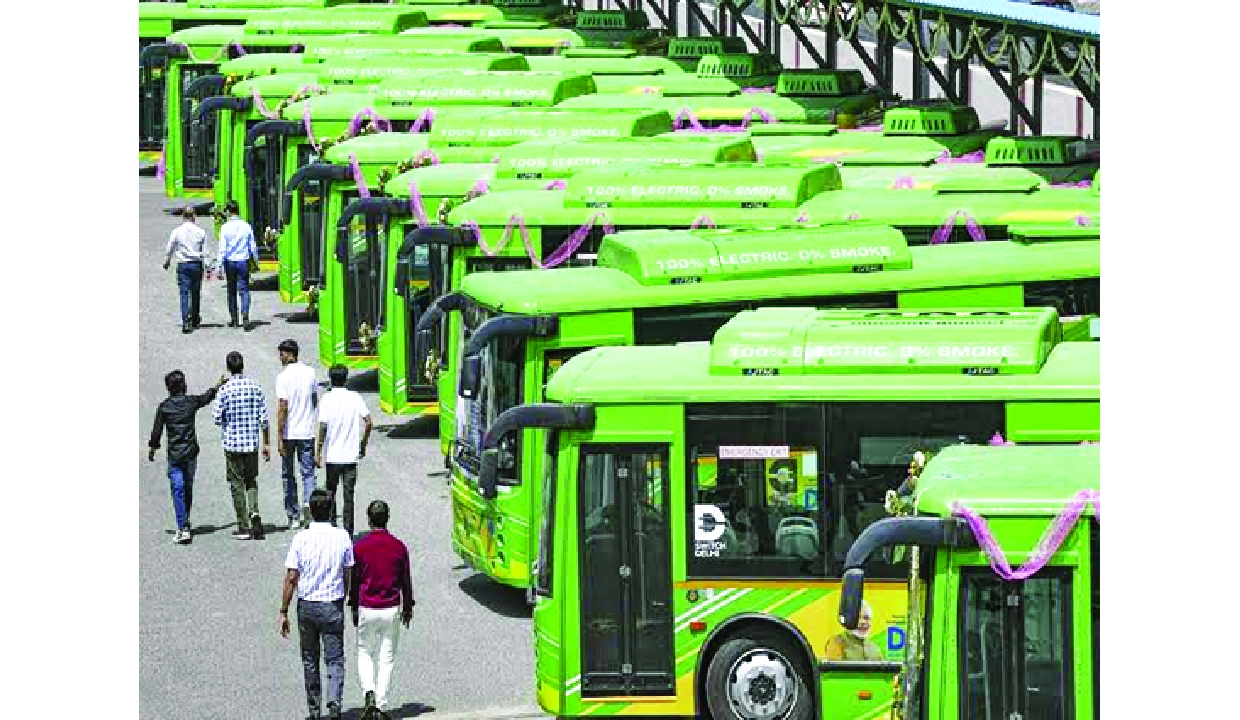
Currently, DTC operates approximately 6,269 buses from 52 depots across the city, with electric buses constituting the majority of the fleet at over 4,500 vehicles.
The new system will monitor not just vehicle locations, but also driver performance, trip durations, battery charge levels, and operational anomalies in real-time.
Predictive Intelligence for Smarter Operations
At the heart of the system is its ability to analyze historical traffic patterns alongside real-time data to generate accurate estimated arrival times (ETAs) and predict potential delays.
Unlike traditional tracking systems that merely report current positions, this AI-powered platform will proactively identify recurring congestion patterns and operational bottlenecks, enabling authorities to adjust services before disruptions cascade through the network.
The system will generate automated alerts for a wide range of operational issues, including overspeeding, GPS failures, route deviations, bus bunching, breakdowns, accidents, and panic button activations.
This real-time anomaly detection will allow transport authorities to respond swiftly to incidents rather than relying on reactive, manual monitoring.
Optimizing the Electric Future
Given that electric buses comprise over 70% of DTC's fleet, the BMS places special emphasis on EV-specific operations.
The AI will optimize charging schedules by coordinating battery status, charging cycles, and vehicle utilization with operational plans.
This intelligent coordination is designed to minimize unnecessary charging downtime while ensuring buses are adequately powered for their assigned routes—a critical capability as Delhi transitions to a predominantly electric public transport network.
Moreover, the system will employ predictive maintenance algorithms to analyze vehicle data and identify patterns indicating potential equipment failures before they occur.
For electric buses, battery degradation prediction will be particularly valuable, as battery health directly impacts range, operating efficiency, and long-term asset costs.
Data-Driven Passenger Experience
For commuters, the most visible improvement will be more accurate and reliable information about bus arrivals.
The BMS will analyze passenger boarding and alighting data, route-wise passenger loads, and peak-hour demand to identify overcrowded routes and areas requiring additional services.
Data from festivals and major events will be used to forecast temporary demand spikes, enabling proactive fleet allocation.
The platform will also integrate seamlessly with electronic ticketing machines (ETMs), enabling depot-wise and duty-wise mapping of devices to buses, drivers, and conductors.
This integration will ensure automatic data synchronization, validation of ticketing data, and revenue reconciliation without manual intervention.
Strategic Fleet Management
Beyond day-to-day operations, the system will support strategic decision-making through advanced analytics on route optimization, fleet allocation, depot management, and crew scheduling.
By matching bus availability with passenger demand more efficiently, DTC aims to reduce operational costs while improving service reliability.
The system will also enable dynamic route adjustments when traffic police implement real-time changes, ensuring minimal disruption to services.
As Delhi continues to expand its public transport infrastructure, this AI-powered transformation represents more than just a technological upgrade—it is a fundamental reimagining of how a metropolitan bus network can leverage data intelligence to serve millions of citizens more efficiently, safely, and sustainably.
Latest




Top stories


Russia News






India Business News





