



BRICS Summit: Leaders Call for Uninterrupted Energy Flows, Critical Infrastructure Protection Amid West Asia Crisis
NEW DELHI — The BRICS nations, representing nearly half the world's population and a significant share of global energy consumption, have issued a unified call for stable energy markets, uninterrupted supplies, and the protection of critical energy infrastructure in the New Delhi Declaration adopted at the 18th BRICS Summit on Saturday.
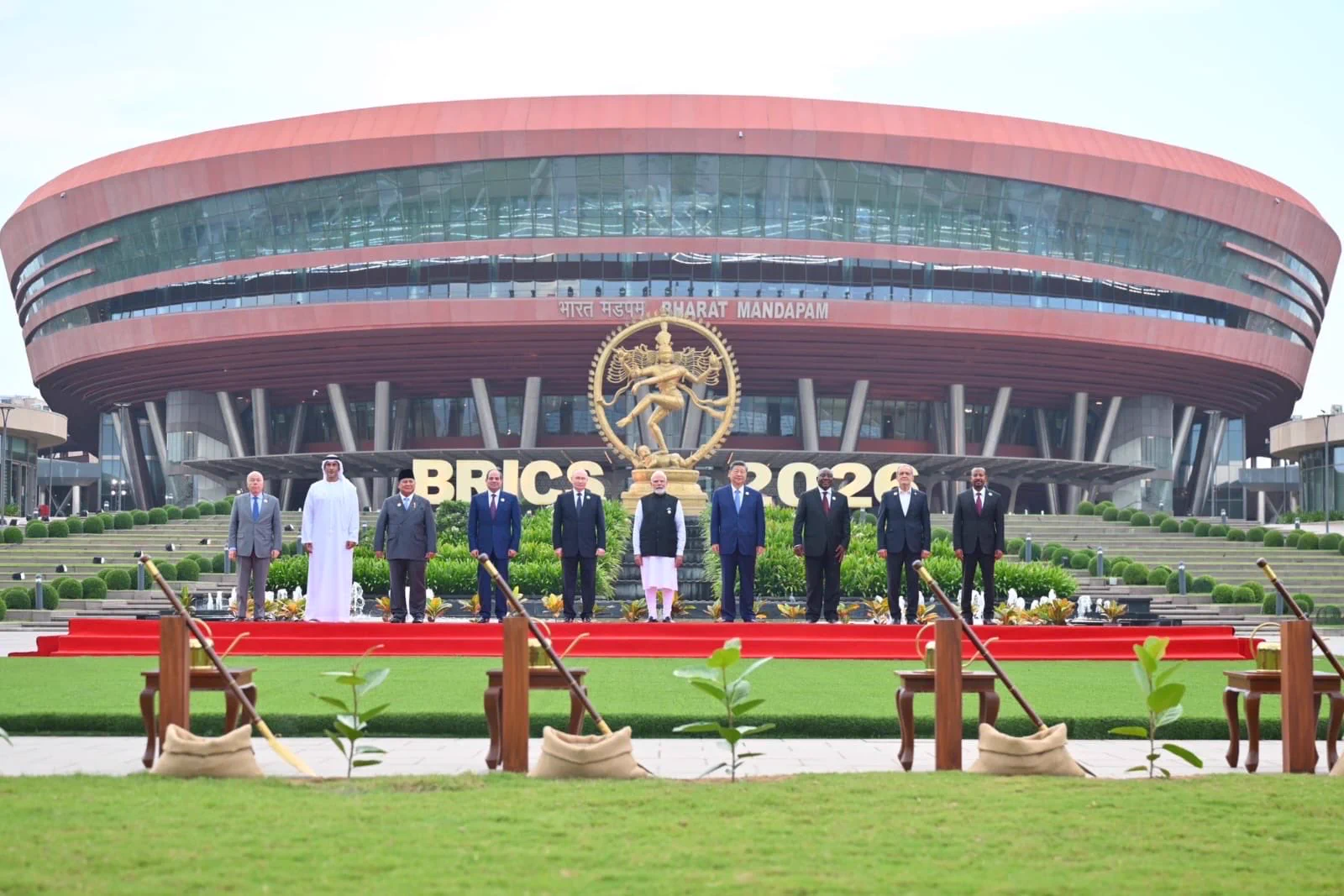
NEW DELHI — The BRICS nations, representing nearly half the world's population and a significant share of global energy consumption, have issued a unified call for stable energy markets, uninterrupted supplies, and the protection of critical energy infrastructure in the New Delhi Declaration adopted at the 18th BRICS Summit on Saturday.
The declaration, which reflects growing concerns over the ongoing West Asia conflict's impact on global energy security, emphasizes that "energy security is a crucial foundation for social and economic development, national security and the welfare of all nations."
The 11-member grouping specifically highlighted the need to maintain undisrupted flows of energy from diverse sources while strengthening value chains and ensuring resilience of cross-border infrastructure.
West Asia Crisis Context
The timing and language of the energy provisions are deeply significant. The declaration comes as the West Asia conflict, now in its seventh month, has severely constrained global energy flows through the Strait of Hormuz—a critical maritime chokepoint that previously accounted for one-fifth of global crude oil and liquefied natural gas (LNG) flows.
The conflict has created a complex dilemma for BRICS, as its member states find themselves on different sides of the crisis. Major oil and gas producers including Iran, Saudi Arabia, and the United Arab Emirates—all BRICS members—have seen their energy infrastructure targeted by various parties.
Attacks on Iranian facilities by US and Israeli forces have been met with retaliatory strikes by Tehran-backed actors against Saudi Arabia, UAE, and other Gulf states perceived as US allies.
Moreover, Russia—a founding BRICS member—has experienced damage to its energy infrastructure amid the ongoing conflict with Ukraine, while top global importers China and India, also founding members, face mounting pressure from supply tightness and elevated energy prices.
Balanced Diplomacy
Given these divergent positions, the declaration adopts a carefully balanced approach. Rather than assigning blame to specific parties, BRICS leaders expressed "deep concern over the continued escalation of tensions in Middle East/West Asia" and called for "maximum restraint, as well as avoiding actions that could further aggravate the situation."
The grouping urged the protection of civilians and civilian infrastructure in accordance with the UN Charter, emphasizing respect for sovereignty and territorial integrity.
It stressed the need to "work together to maintain smooth flow of global trade, supply chains and energy, in accordance with applicable international law."
Beyond Crisis Response
While the immediate crisis shaped much of the energy agenda, the declaration also outlines a forward-looking vision for energy cooperation. It acknowledges that fossil fuels will continue to play an important role in the world's energy mix, particularly for emerging markets and developing economies, while recognizing the need for "just, orderly, equitable and inclusive energy transitions."
The declaration highlights the growing role of digitalization, artificial intelligence, and advanced data analytics in improving grid management, renewable integration, and operational efficiency.
BRICS welcomed the Guiding Principles on Smart Grids and Energy Storage and announced a Chairship initiative to establish a BRICS Digital Centre of Excellence for Smart Grids and Energy Storage.
The grouping also backed wider adoption of renewables, nuclear power, hydropower, hydrogen, and other low-carbon technologies, while calling for stronger cooperation on critical minerals essential to energy security and clean-energy technologies.
Strategic Implications
This comprehensive energy agenda reflects BRICS' ambition to reshape global energy governance. By emphasizing technological neutrality, common but differentiated responsibilities, and the continued role of fossil fuels during the transition period, the grouping is positioning itself as an alternative voice to Western-dominated energy frameworks.
For India, which has repeatedly called for the protection of energy infrastructure and unimpeded energy flows over recent months, the declaration represents a diplomatic success.
As a country heavily reliant on energy imports, India has a vested interest in maintaining stability in global energy markets and ensuring the security of maritime chokepoints like the Strait of Hormuz.
As the summit concludes, the energy provisions of the New Delhi Declaration signal BRICS' determination to assert greater influence over global energy governance while navigating the complex geopolitical realities of a fractured international order.
Latest




Top stories


Russia News






India Business News





