



Brent Crude Surges Past $100 Threshold Amid US-Iran Strikes and Houthi Attacks on Saudi Infrastructure
LONDON — Global oil prices have surged past the psychologically significant $100-per-barrel threshold as escalating military confrontations between the United States and Iran, coupled with intensified Houthi attacks on Saudi Arabian energy infrastructure, have reignited fears of widespread supply disruptions.
LONDON — Global oil prices have surged past the psychologically significant $100-per-barrel threshold as escalating military confrontations between the United States and Iran, coupled with intensified Houthi attacks on Saudi Arabian energy infrastructure, have reignited fears of widespread supply disruptions.
Brent crude futures breached the $100 mark for the first time in nearly two months, with intraday trading spiking as high as $111.24 before settling at elevated levels.
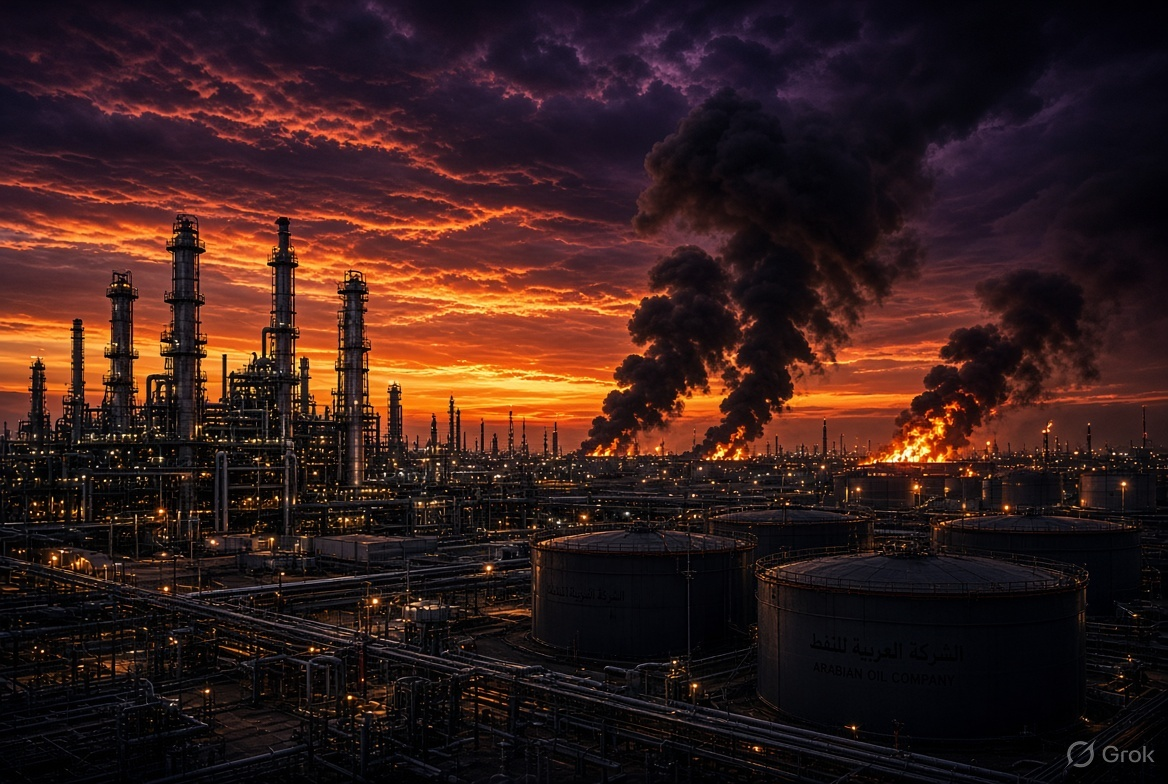
The dramatic price surge follows a series of coordinated attacks on Saudi energy facilities in the southern region of the kingdom, which triggered fires and temporarily disrupted operations at critical oil processing sites.
Iran-backed Houthi militants from Yemen claimed responsibility for the strikes, which reportedly injured 73 people and forced temporary shutdowns of key infrastructure.
The timing of these attacks coincides with a dangerous escalation in direct US-Iran military tensions, creating a perfect storm for global energy markets.
Analysts warn that any sustained disruption to Saudi Arabia's oil production or export capacity could trigger a severe supply crunch, given the kingdom's pivotal role as the world's swing producer and its ability to quickly adjust output to stabilize markets.
The price spike has immediate implications for consumers worldwide, as higher crude costs typically translate into increased gasoline and diesel prices at the pump.
Energy economists note that sustained oil prices above $100 per barrel could reignite inflationary pressures just as central banks were beginning to gain control over price stability.
Goldman Sachs analysts have warned that the situation could deteriorate further, projecting potential upside to $120 per barrel if the conflict expands or if critical chokepoints like the Strait of Hormuz are threatened.
The investment bank's forecast underscores the fragility of global energy supply chains in the face of escalating geopolitical risks.
Saudi Arabia has vowed to "respond firmly" to the attacks on its energy infrastructure, raising concerns about potential retaliatory measures that could further destabilize the region.
The kingdom's energy facilities have historically been prime targets in the ongoing proxy conflict between Saudi Arabia and Iran, with previous attacks in 2019 temporarily knocking out more than 5% of global oil production.
For policymakers in Washington and other Western capitals, the oil price surge presents a complex dilemma.
While maintaining pressure on Iran remains a strategic priority, the economic fallout from sustained high energy prices could undermine domestic political support for continued military engagement in the region.
Market participants are now closely monitoring several critical flashpoints: the resilience of Saudi Arabia's air defense systems, the potential for Iranian retaliation against US forces in the region, and the possibility that the conflict could spill over into the strategically vital Persian Gulf shipping lanes.
As the situation evolves, the International Energy Agency (IEA) and OPEC are expected to coordinate closely to ensure adequate supply buffers, though the effectiveness of such measures remains contingent on the duration and intensity of the ongoing hostilities.
Latest

KFC to switch to Coca-Cola beverages in U.S. restaurants for the first time in decades
Top stories






Russia News






India Business News





