
Bombay High Court denies bail to grandfather in infant drowning case, cites gender bias
The Nagpur bench of the Bombay High Court refused bail to Gopinath Janku Pradhan, accused of drowning his one‑month‑old granddaughter in Gadchiroli, saying the act reflects a lingering preference for male children even eight decades after independence.
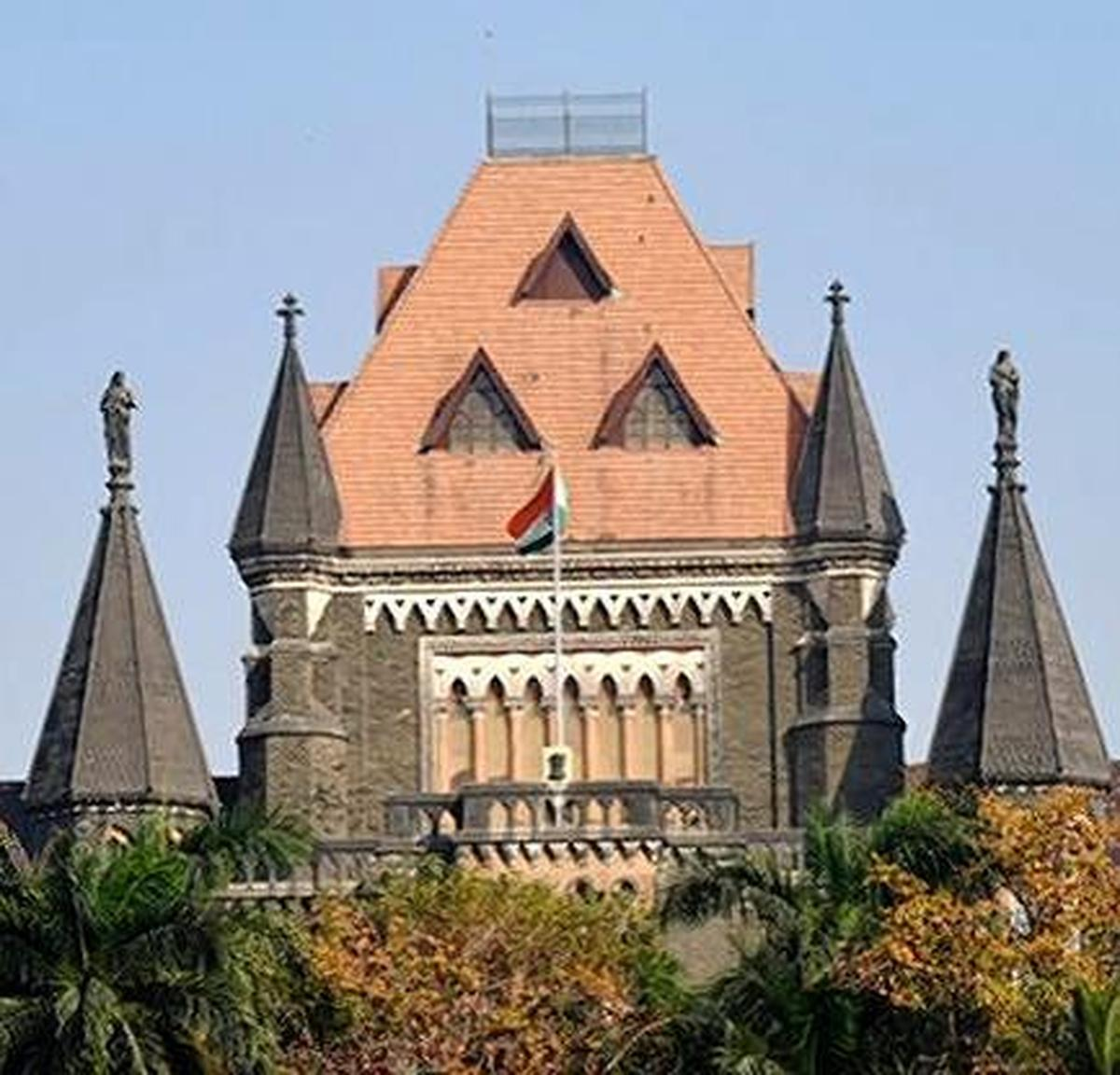
The bench, headed by Justice M M Nerlikar, delivered its order on 9 September 2026, rejecting the bail plea of the 68‑year‑old accused. The court noted that the infant’s death was allegedly motivated by the family’s desire for a male heir, describing the circumstance as “deeply unfortunate” given the nation’s long‑standing struggle against gender bias.
Case background
Police in Gadchiroli district filed a murder and evidence‑destruction case in 2023 after a local resident reported the suspicious death of a newborn girl. The child, the second daughter of the accused’s son and daughter‑in‑law, was found dead in a bathtub. A post‑mortem examination confirmed asphyxia due to drowning as the cause of death.
Court’s observations
Justice Nerlikar’s order highlighted several aggravating factors. The family, according to the court, staged a “hue and cry,” claiming an animal had taken the infant and hurriedly cremated the body to conceal the crime. The judge emphasized that the conduct demonstrated a lack of remorse and a calculated attempt to evade investigation.
“It is deeply unfortunate that even after 80 years of independence, people in our country still prefer a male child,” the judgment read, underscoring the broader social context of the case.
Legal implications
The High Court’s refusal to grant bail aligns with the seriousness of the charges—murder under Section 302 of the Indian Penal Code and destruction of evidence under Section 201. The court also observed that the accused’s claim of innocence was undermined by the mother’s separate bail grant, suggesting differential treatment among co‑accused.
By denying bail, the bench signalled that the alleged motive rooted in gender preference, coupled with the attempt to hide the crime, warranted continued detention pending trial.
Public reaction
Social media posts from the Deccan Herald’s Instagram account echoed the court’s sentiment, questioning the persistence of gender‑based discrimination and lamenting the tragic outcome. Comments on the post reflected public frustration over systemic biases that still influence family decisions in rural Maharashtra.
“Why would someone raise a girl child in India??” – a comment on the Instagram post dated four weeks before the court’s order.
Next steps
- The trial will proceed in the Gadchiroli sessions court, where the prosecution will present forensic evidence and witness testimonies.
- The defence is expected to argue lack of direct evidence linking the accused to the act, citing the mother’s bail as a mitigating factor.
- Human‑rights groups have called for stricter enforcement of laws against gender‑based violence, urging authorities to address the cultural roots of such crimes.
The case adds to a growing list of high‑profile judgments where Indian courts have explicitly linked criminal acts to entrenched gender preferences, reinforcing the judiciary’s role in confronting societal discrimination.
Latest



Top stories






Russia News






India Business News





