
Beyond the All-Electric Push: GM Plans New Hybrid Lineup to Capture Growing Market Share
DETROIT — General Motors is preparing to introduce hybrid vehicles into its U.S. lineup, signaling a pragmatic shift in strategy as the automaker responds to sustained consumer demand for flexible, electrified powertrains.
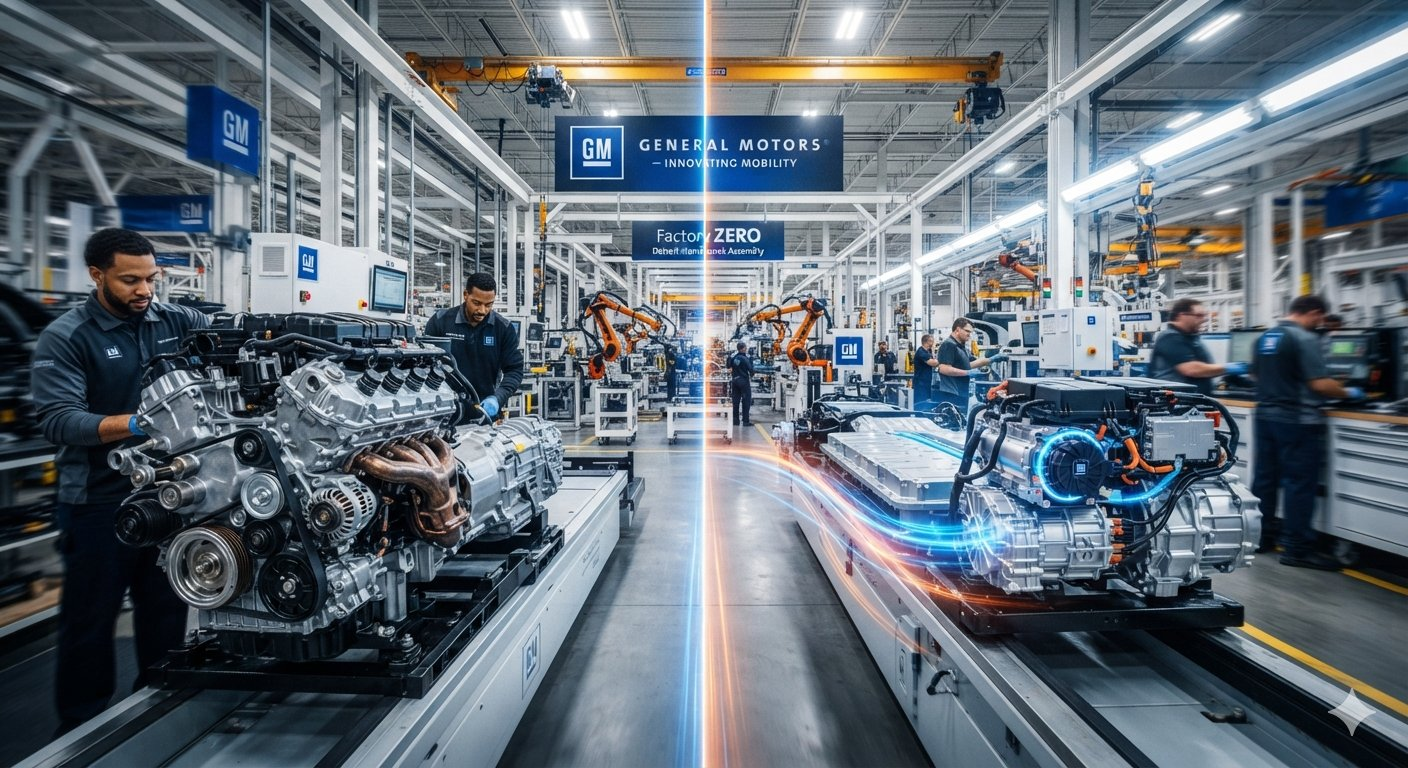
DETROIT — General Motors is preparing to introduce hybrid vehicles into its U.S. lineup, signaling a pragmatic shift in strategy as the automaker responds to sustained consumer demand for flexible, electrified powertrains.
The announcement comes amid a broader industry trend where hybrid vehicle sales continue to climb, outpacing the growth rate of pure battery electric vehicles (BEVs) in several key markets.
Mike Anderson, GM’s vice president of propulsion engineering, confirmed that hybrid technology is officially "part of the plan" for the company's future product roadmap.
Acknowledging the gap between the automaker’s previous "all-in" electric vehicle messaging and current market realities, Anderson stated, "We're not tone deaf to our customers."
This marks a notable departure from GM’s historically strict focus on BEVs, a stance that had left the company with a sparse hybrid portfolio consisting primarily of the hybrid Chevrolet Corvette following the discontinuation of the Chevrolet Volt in 2019.
The resurgence of hybrid popularity is driven by a confluence of macroeconomic and infrastructural factors.
While consumers remain interested in reducing emissions and fuel costs, many are still hesitant to adopt fully electric vehicles due to persistent range anxiety, uneven public charging infrastructure, and higher upfront purchase prices.
Hybrids offer a compelling middle ground, delivering improved fuel efficiency and lower emissions without requiring drivers to alter their refueling habits.
Industry analysts view GM’s pivot as a necessary and strategic recalibration.
Competitors like Toyota and Ford have capitalized heavily on the hybrid boom, capturing significant market share by offering a wide array of hybrid and plug-in hybrid options across their most popular nameplates.
By re-entering the hybrid space, GM aims to retain customers who might otherwise defect to rival brands while it continues to scale its long-term, dedicated EV platform development.
However, integrating hybrids into a portfolio optimized for BEVs will require careful engineering and supply chain management.
GM will need to leverage its existing propulsion expertise to develop cost-effective hybrid systems that can compete with established market leaders, all without diluting its overarching commitment to an eventual zero-emissions future.
As General Motors finalizes its hybrid roadmap, the automaker’s willingness to adapt to consumer feedback demonstrates a mature approach to the energy transition.
By balancing immediate market demands with long-term sustainability goals, GM is positioning itself to remain a dominant force in a highly competitive and rapidly evolving automotive landscape.
Latest




Top stories






Russia News






India Business News





