



Beyond Ozempic: How Amylin Analogues Are Shaping the Next Generation of Weight-Loss Therapies
NEW YORK — The global explosion of GLP-1 receptor agonists like Ozempic, Wegovy, and Zepbound has fundamentally rewritten the playbook for treating obesity and type 2 diabetes. However, pharmaceutical titans Eli Lilly and Novo Nordisk are already looking beyond single-pathway therapies, placing massive bets on a hormone called amylin to drive the next generation of weight-loss drugs.
NEW YORK — The global explosion of GLP-1 receptor agonists like Ozempic, Wegovy, and Zepbound has fundamentally rewritten the playbook for treating obesity and type 2 diabetes. However, pharmaceutical titans Eli Lilly and Novo Nordisk are already looking beyond single-pathway therapies, placing massive bets on a hormone called amylin to drive the next generation of weight-loss drugs.
By targeting amylin, these companies aim to pull a powerful new biological lever that could push weight-loss efficacy closer to the levels of bariatric surgery.
The Science Behind the Synergy
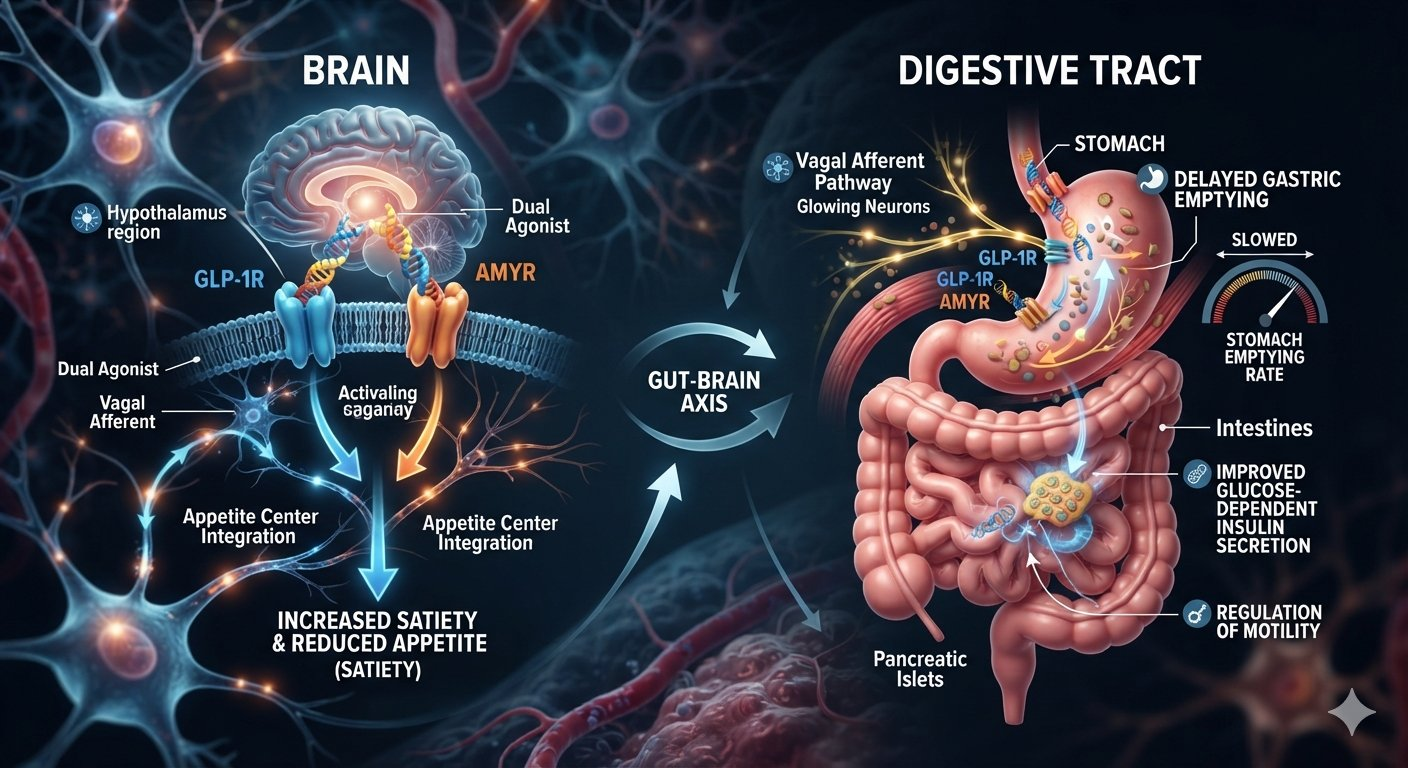
Amylin is a peptide hormone naturally co-secreted with insulin by the pancreas.
Its primary physiological roles include slowing gastric emptying, suppressing glucagon secretion, and, crucially, promoting a strong sense of satiety in the brain.
While GLP-1 drugs excel at regulating blood sugar and curbing appetite, adding an amylin analogue creates a highly synergistic effect.
This dual-action approach targets multiple hunger and metabolic pathways simultaneously, helping patients overcome the weight-loss plateaus that often occur with GLP-1 monotherapies.
Novo Nordisk’s Bet: CagriSema
Novo Nordisk is spearheading its amylin strategy with CagriSema, an investigational once-weekly injection that combines semaglutide (the active ingredient in Wegovy and Ozempic) with cagrilintide, a long-acting amylin analogue.
In the ongoing REDEFINE clinical trial program, CagriSema has demonstrated superior weight loss compared to semaglutide alone, with recent data showing average weight reductions of approximately 23% in adults with obesity.
This multi-agonist approach is designed to enhance both weight loss and glycemic control while striving to maintain a tolerable side-effect profile.
Although some recent head-to-head analyses suggest it faces stiff competition from Lilly’s triple-agonist pipeline, CagriSema remains a cornerstone of Novo’s future obesity portfolio.
Eli Lilly’s Push: Eloralintide and Beyond
Not to be outdone, Eli Lilly is aggressively advancing its own amylin-focused pipeline.
The company recently announced positive Phase 2 results for eloralintide, a selective, long-acting amylin receptor agonist.
When evaluated as a monotherapy, the highest dose of eloralintide led to a remarkable 20.1% weight loss after 48 weeks, exceeding many analyst expectations.
Furthermore, Lilly is exploring the upper limits of this biology by combining its amylin agonist with its existing GLP-1/GIP receptor agonist (the mechanism behind Zepbound).
Early data on this investigational combination has shown average weight loss ranging from 15% to over 23%, positioning it as a formidable contender in the race for metabolic supremacy.
Why the Industry is Doubling Down
The strategic pivot toward amylin is driven by the need to capture the next tier of the obesity market.
While current GLP-1 drugs are highly effective, a significant portion of patients do not achieve the 20% or greater weight loss threshold that yields the most dramatic improvements in obesity-related comorbidities.
By layering amylin’s satiety-inducing effects on top of GLP-1’s metabolic benefits, pharmaceutical companies are engineering drugs that can deliver more profound and durable results.
Moreover, as the obesity drug market races toward an estimated $100 billion in annual global sales by the end of the decade, differentiation is key.
The companies that can successfully commercialize safe, highly effective multi-agonist therapies will secure a dominant, long-term market share.
The Road Ahead
The transition from GLP-1 monotherapies to multi-agonist regimens marks a major maturation in metabolic medicine.
As Eli Lilly and Novo Nordisk advance their amylin-based candidates through late-stage clinical trials, the industry will be watching closely for long-term safety data and real-world tolerability.
If successful, these amylin-enhanced therapies will not just be incremental updates; they will represent a paradigm shift, offering millions of patients a pharmacological alternative that finally rivals the efficacy of surgical intervention.
Latest
KFC to switch to Coca-Cola beverages in U.S. restaurants for the first time in decades
Top stories






Russia News






India Business News





