



Beyond Medals and Leagues: India's Sports Crisis Lies in Vanishing Courts and Silent Athletes
MUMBAI — While India celebrates Olympic medals and franchise leagues, sports lawyers Aahna Mehrotra and Riya Rajkumar Sharma argue the nation's sporting future hangs on a far more mundane question: where will tomorrow's athletes play? In a revealing Bombay Sport Exchange episode, the legal duo dismantled the mythology of elite performance, exposing how crumbling infrastructure, urban space crises and institutional intimidation create invisible barriers long before talent reaches national camps.
 - Editor
Last Updated:
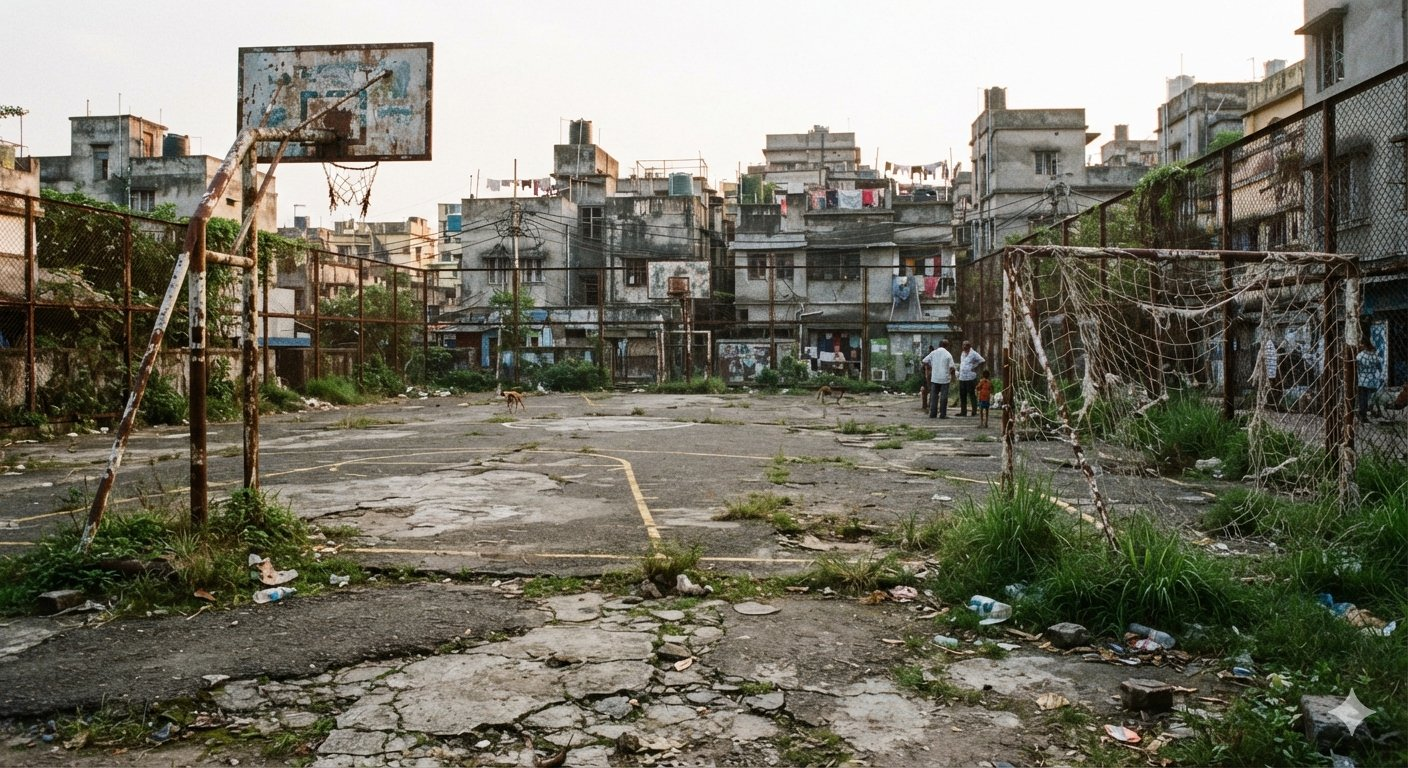
MUMBAI — While India celebrates Olympic medals and franchise leagues, sports lawyers Aahna Mehrotra and Riya Rajkumar Sharma argue the nation's sporting future hangs on a far more mundane question: where will tomorrow's athletes play?
In a revealing Bombay Sport Exchange episode, the legal duo dismantled the mythology of elite performance, exposing how crumbling infrastructure, urban space crises and institutional intimidation create invisible barriers long before talent reaches national camps.
The Space Squeeze
Riya Sharma's observation cuts through policy documents and parliamentary questions: "I can't think of a basketball court near my house. Perhaps the probability of it being there in a Tier 2 city might just be larger because of the space that they have."
This paradox defines Indian sports infrastructure. Metropolitan areas—supposedly the engines of development—offer less playable space than smaller towns. As cities densify, public sporting grounds vanish faster than they're replaced, creating what Sharma calls a "structural challenge rather than merely an administrative one."
Maintenance Over Monuments
Mehrotra identifies a pattern that explains why infrastructure investments fail: "You may have done it 10 years ago with the perspective that this is going to help me get a medal 10 years later, but in those 10 years if you're not bothered, that infra you installed has died."
The solution isn't necessarily grand construction. "Just install the net for people to go throw the ball around. You don't even need to build a court," she suggests, emphasizing that basic equipment costs far less than politicians claim.
Pickleball's Warning
The explosive growth of pickleball—275% participation increase in three years, from 60,000 players in 2024 to projected 1 million by 2028—should inspire but also alarms.
Mehrotra points to Ahmedabad's court-building frenzy creating market surplus while Mumbai's rental costs price out ordinary players.
This raises uncomfortable questions: will emerging sports replicate golf's exclusivity or remain accessible?
India had approximately 200 pickleball courts in early 2024; that number crossed 2,500 by 2026, with 3-4 new courts appearing weekly in metros.
Yet this boom concentrates in urban enclaves, potentially creating premium enclaves rather than mass participation.
Football's Identity Crisis
"You don't have one football ground. Everybody's playing on an athletics track," Mehrotra observes about India's most popular sport.
The comment reveals systemic neglect. Despite growing viewership and league investments, football infrastructure remains an afterthought. Multi-purpose stadiums with running tracks around pitches create suboptimal conditions for players and poor viewing experiences—symbolizing how Indian sports prioritize versatility over excellence.
The Silence of Struggling Athletes
Perhaps most damning is their analysis of athlete advocacy. Referencing wrestler Vinesh Phogat's highly publicized battles, Mehrotra distinguishes between visible controversies and daily struggles.
"There are other issues out there. Be it governance, be it selection, be it athletes at a much younger level or who are just budding talents who are facing issues on a daily basis and on most occasions they don't have the wherewithal to go to courts," she explains.
The fear is universal: challenging federations risks selection blacklists. "They are probably going to develop that grudge and that personal vendetta, at some point, will never select me then."
Grassroots Forgotten
Mehrotra's final assessment indicts the system: "What's happening at a grassroots level... is somebody really trying to make an effort to check and bring that into the limelight or build a constant narrative around it. I don't think that's happening."
India announced a historic $3.82 billion investment for grassroots sports over five years, yet the lawyers question whether funding addresses structural realities or feeds existing patronage networks.
The Real Sporting Battle
The episode's central argument reframes India's sports conversation. Before discussing medals, leagues or television rights, the nation must answer fundamental questions: Do children have safe spaces to play? Can athletes report abuse without career suicide? Does infrastructure serve communities or developers?
As Mehrotra and Sharma demonstrate, India's sporting future depends less on discovering exceptional talent than expanding opportunity—a battle fought not on podiums but in neighborhood courts, school grounds and federation offices where silence remains the price of participation.
Top stories






Russia News






India Business News





