



Berlin’s €50 Billion Shield: Finance Ministry Reveals Cost of Stabilizing Economy Post-Russian Gas Era
BERLIN — Germany has spent approximately €50 billion ($58 billion) to cushion the economic shock of soaring energy prices following its decisive cutoff of Russian natural gas imports in 2022, according to estimates from the Federal Finance Ministry reported by Die Süddeutsche Zeitung and Bild.
BERLIN — Germany has spent approximately €50 billion ($58 billion) to cushion the economic shock of soaring energy prices following its decisive cutoff of Russian natural gas imports in 2022, according to estimates from the Federal Finance Ministry reported by Die Süddeutsche Zeitung and Bild.
The staggering figure underscores the immense financial burden Berlin has shouldered to maintain economic stability and protect households after abruptly severing a decades-old energy dependency.
Following the escalation of the conflict in Ukraine, Germany rapidly pivoted away from Russian pipeline gas, which previously accounted for more than half of the nation's total supply.
To mitigate the resulting price spikes, the German government deployed a comprehensive suite of relief and stabilization measures.
These interventions included elements of the massive €200 billion "economic defence shield" announced in late 2022, which featured gas price brakes, value-added tax (VAT) reductions on energy, and direct subsidies for vulnerable households and energy-intensive industries.
While the €50 billion estimate specifically covers the direct costs attributed to cushioning the gas transition, it represents a significant portion of the broader fiscal response to the continent-wide energy crisis.
Economic analysts note that while the price tag is steep, the alternative—allowing unchecked energy inflation to cripple Germany’s export-driven industrial base—would have been far more catastrophic.
By heavily subsidizing the transition, Berlin successfully avoided the severe economic contraction and widespread deindustrialization that many forecasters initially predicted when the taps were turned down.
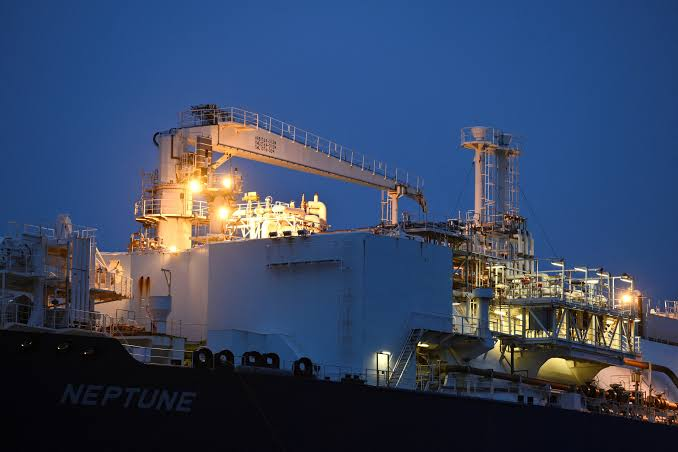
Instead, the country accelerated its diversification strategy, rapidly constructing floating liquefied natural gas (LNG) terminals and securing alternative pipeline supplies from Norway, the United States, and other global partners.
However, the long-term fiscal sustainability of such massive intervention remains a point of political contention.
Critics argue that prolonged subsidies risk distorting market signals and delaying necessary structural adjustments within Germany’s energy-intensive manufacturing sector.
Furthermore, with the national "debt brake" constitutionally enshrined, finding the fiscal space to maintain expansive support mechanisms has become increasingly complex for the current coalition government.
As Europe continues to navigate a structurally altered global energy landscape, Germany’s €50 billion expenditure serves as a stark case study in the true cost of geopolitical decoupling.
While the immediate crisis has been managed, the legacy of this transition will shape German industrial policy and fiscal debates for years to come, highlighting the delicate balance between energy security and economic competitiveness.
Latest
Russia-US diesel deal already having positive effect – Putin aide to RT (VIDEO)

Top stories






Russia News






India Business News





