



Baltimore Dethrones Invasive Pear, Crowns Native Tulip Poplar as Official City Tree
BALTIMORE — After more than half a century, Baltimore has officially retired the Chanticleer pear, replacing it with the majestic, native tulip poplar as the city’s designated official tree. The transition marks a significant philosophical shift in urban forestry, moving away from ornamental convenience toward ecological resilience and biodiversity.
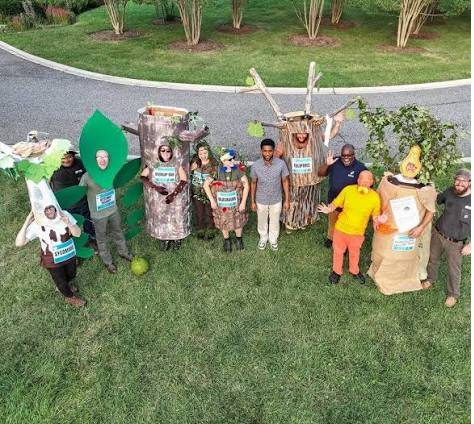
BALTIMORE — After more than half a century, Baltimore has officially retired the Chanticleer pear, replacing it with the majestic, native tulip poplar as the city’s designated official tree.
The transition marks a significant philosophical shift in urban forestry, moving away from ornamental convenience toward ecological resilience and biodiversity.
For 52 years, the Chanticleer pear—a cultivar of the notorious Callery pear—held the honorary title. However, its reign ended following a decisive regulatory shift. Effective January 15, 2026, the state of Maryland officially prohibited the sale and acquisition of Pyrus calleryana and all its varieties.
State ecologists long warned that the tree’s weak branch structure made it prone to storm damage, while its aggressive spread threatened to choke out vital native plant species and disrupt local pollinator habitats.
To find a worthy successor, the city launched a months-long, democratic public campaign featuring six native Maryland species.
The initiative, spearheaded by TreeBaltimore, invited residents to weigh in on which tree best represented the city’s character and environmental future.
The process culminated in a delightfully unconventional finale at the historic Cylburn Arboretum. Hundreds of residents gathered to witness a whimsical, costumed "footrace" between mascots representing the finalist trees, with the tulip poplar (Liriodendron tulipifera) ultimately crossing the finish line first to claim the crown.
Beyond its charming selection process, the tulip poplar is a powerhouse choice for Baltimore’s future. As Maryland’s state tree, it is uniquely adapted to the region’s climate, offering robust resistance to extreme weather events that have increasingly battered the East Coast.
Furthermore, its distinctive yellow, tulip-shaped spring flowers provide crucial nectar for native bees, while its towering canopy offers superior shade and carbon sequestration compared to its brittle predecessor.
Urban forestry experts praise the move as a model for other municipalities grappling with the legacy of mid-20th-century landscaping trends. By retiring an invasive species through proactive legislation and replacing it via robust community engagement, Baltimore has demonstrated that environmental policy can be both scientifically sound and deeply participatory.
As the first saplings of the new official tree are prepared for planting along city streets, the tulip poplar stands not just as a symbol of Baltimore’s natural heritage, but as a living commitment to a greener, more sustainable urban future.
Latest

Top stories






Russia News






India Business News





