



Anwar Ibrahim to Confront Kerala Cleric on Women’s Rights, Rejects 'Confined to Home' Narrative
NEW DELHI — Malaysian Prime Minister Anwar Ibrahim has drawn a clear ideological line ahead of his scheduled meeting with controversial Kerala-based Islamic cleric Kanthapuram A.P. Aboobacker Musliyar, stating unequivocally that he does not share all of the scholar’s views, particularly regarding the role of women in society.
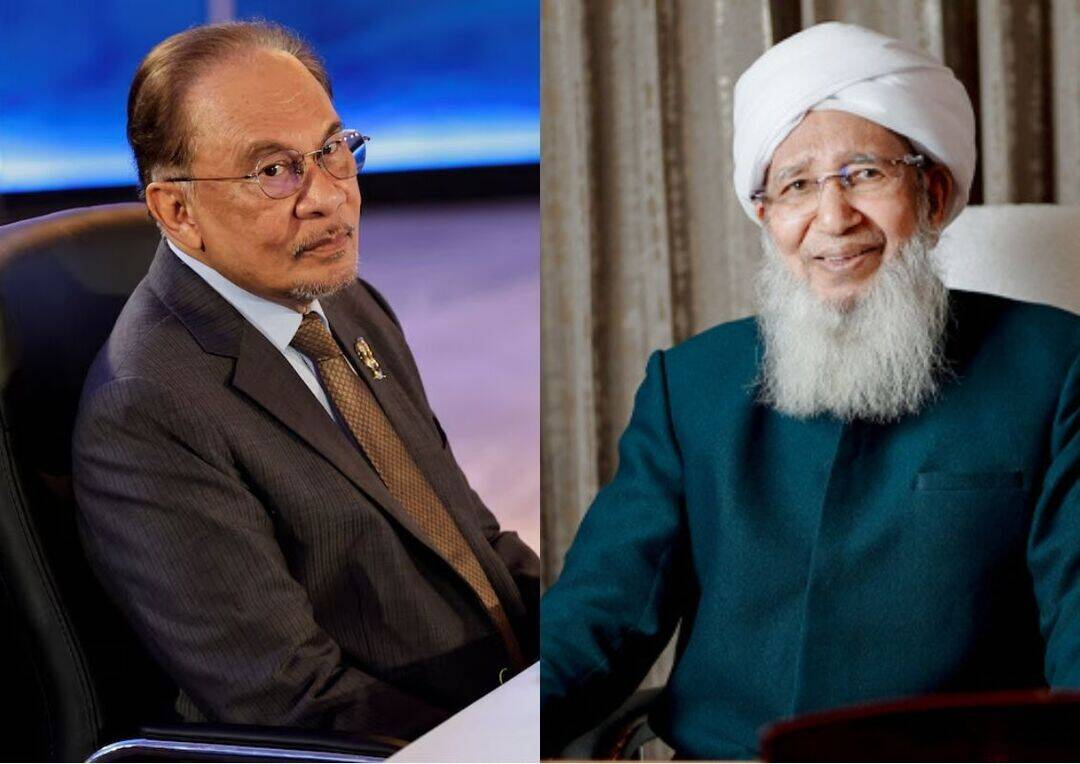
NEW DELHI — Malaysian Prime Minister Anwar Ibrahim has drawn a clear ideological line ahead of his scheduled meeting with controversial Kerala-based Islamic cleric Kanthapuram A.P. Aboobacker Musliyar, stating unequivocally that he does not share all of the scholar’s views, particularly regarding the role of women in society.
Speaking in an exclusive interview on the sidelines of the BRICS Summit in New Delhi, the Malaysian leader addressed the mounting debate surrounding the cleric’s recent remarks, which suggested that women should remain confined to their homes and avoid public appearances.
"He is a traditional religious scholar who has contribution in understanding the religious text, the Quran, the tradition, the Prophet; who is a great teacher in many ways," Anwar Ibrahim said, acknowledging the cleric’s academic standing and his role in running educational institutions, including a nursing college for women.
However, the Prime Minister was quick to pivot to Malaysia’s progressive stance on gender equality. "But we certainly do not necessarily share all his views," he stated, adding that if confronted publicly, he would tell the cleric directly: "No, in Malaysia, we have equal rights for women."
To underscore his government’s commitment to female empowerment, Anwar Ibrahim pointed to his own family and the broader Malaysian demographic. "We have more female students in our universities. My wife is a medical doctor. All my kids, including the girls, have been given all the opportunity to study and have the freedom," he noted.
The upcoming meeting in Kozhikode has drawn intense scrutiny. Last month, Kanthapuram, the general secretary of the All India Sunni Jamiyyathul Ulama, sparked widespread outrage after stating at an Islamic conference that Islam mandates purdah and that bringing women onto public platforms causes "great destruction."
His comments drew sharp rebukes from Kerala’s political leadership, with Chief Minister V.D. Satheesan dismissing the stance as a "19th-century" misreading of Islam.
Despite the controversy, this will be Prime Minister Anwar Ibrahim’s second visit to meet the cleric. He previously visited the Markaz campus in September 2022, and in 2023, the Malaysian government conferred the Hijra Award—its highest honour for Islamic scholars—upon Kanthapuram.
The Malaysian leader also highlighted the deep historical and cultural ties between Malaysia and South India, noting that a significant portion of Malaysia’s diaspora traces its roots to the region.
He expressed a desire to visit Tamil Nadu as well, but postponed those plans due to the Chief Minister’s overseas travel, choosing to focus his itinerary on Kerala.
By publicly decoupling his respect for the cleric’s scholarly contributions from his regressive views on women, Anwar Ibrahim is attempting a delicate diplomatic balancing act. He aims to honor the deep-rooted religious and cultural ties between Malaysia and Kerala’s Muslim community, while firmly upholding the progressive, egalitarian values that define his "Madani" (civil) governance framework at home.
As the Sunday meeting approaches, all eyes will be on whether this private dialogue can bridge the gap between traditional orthodoxy and modern gender equity, or if it will further amplify the ongoing culture war in Kerala.
Latest

Top stories






Russia News






India Business News





