



6,000 Locations Inspected: Karnataka’s Coordinated Strike Against Illegal Child Labour Yields 105 Cases
BENGALURU — In one of the most extensive anti-child labour operations in recent years, the Bengaluru City Police, in coordination with the Labour Department, has rescued 529 children from illegal employment across the city.
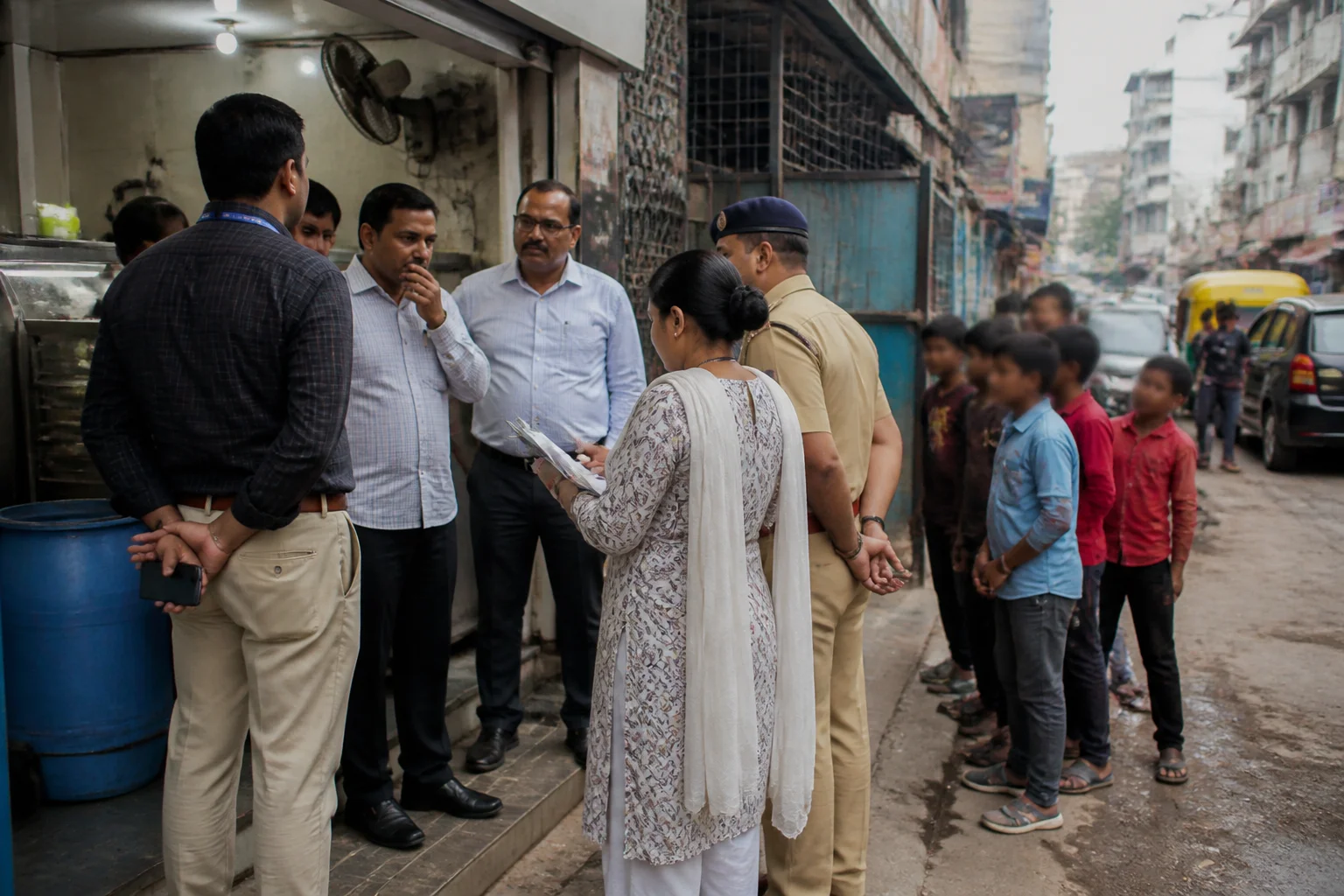
BENGALURU — In one of the most extensive anti-child labour operations in recent years, the Bengaluru City Police, in coordination with the Labour Department, has rescued 529 children from illegal employment across the city.
The sweeping crackdown, executed over a coordinated multi-day drive, involved surprise inspections at 6,076 locations, culminating in the registration of 105 cases against offending employers.
The operation represents a significant escalation in Karnataka’s enforcement of the Child and Adolescent Labour (Prohibition and Regulation) Act. According to official data, the Central Crime Branch (CCB) led the efforts in specific high-risk zones, rescuing 45 children and registering 26 cases.
The East Division followed closely, rescuing 74 children and filing 18 cases, while the North, Central, and South divisions rescued 66, 63, and 52 children, respectively.
This city-wide initiative is part of a broader, aggressive statewide mandate. Across Karnataka, police and labour officials inspected 16,951 premises, rescuing nearly 800 children from garages, hotels, eateries, and informal workshops.
The sheer scale of the operation underscores the persistent, albeit hidden, prevalence of child labour in urban and semi-urban ecosystems, often masked as "helping hands" in family-run enterprises or informal sector jobs.
While the arrests and rescues mark a critical victory for law enforcement, child rights advocates emphasize that the physical rescue is merely the first step in a complex, long-term process. The immediate challenge now shifts to the Child Welfare Committees (CWCs), which are tasked with the safe repatriation, counseling, and educational rehabilitation of these minors.
Experts warn that without robust follow-up mechanisms, rescued children remain highly vulnerable to being trafficked back into exploitative conditions. "A rescue operation is only as successful as its rehabilitation framework," noted a senior child rights activist. "If these children are simply returned to the same socio-economic environments that forced them into labour in the first place, the cycle will inevitably repeat."
The Bengaluru police have stated that the 105 registered cases will be rigorously prosecuted to serve as a deterrent to other employers. However, legal experts point out that conviction rates in child labour cases remain historically low, often due to a lack of witness cooperation, familial pressure, or the informal nature of the employment agreements.
To address this, authorities are increasingly leveraging technology and community policing. The integration of real-time data sharing between police stations, labour inspectors, and local NGOs is being prioritized to identify hotspots and track repeat offenders. Furthermore, public awareness campaigns are being intensified to encourage citizens to report suspected child labour via dedicated helplines.
As the dust settles on this massive operation, the focus must pivot from punitive measures alone to holistic prevention. Ensuring that these 529 children transition from workspaces to classrooms will be the true metric of Bengaluru’s commitment to safeguarding its most vulnerable demographic.
Top stories






Russia News






India Business News





